Welcome! I’m an Assistant Professor of Kinesiology at the University of Texas at Arlington, where I direct a research lab focused on understanding how the brain supports learning and performing movement. I study how neural activity changes as we acquire new motor skills, how aging and neurological or psychological conditions can disrupt those processes, and most importantly, what we can do about it.
To answer these questions, my team and I integrate behavioral experiments, brain imaging, and computational tools, and draw on perspectives from neuroscience, kinesiology, and psychology. Our goal is to translate what we learn in the lab into real‑world strategies that enhance human performance and support lifelong brain health.
I'm also passionate about teaching and mentoring the next generation of scientists. If you're curious about the brain, movement, or what it's like to do research in this field, I'd love to connect!
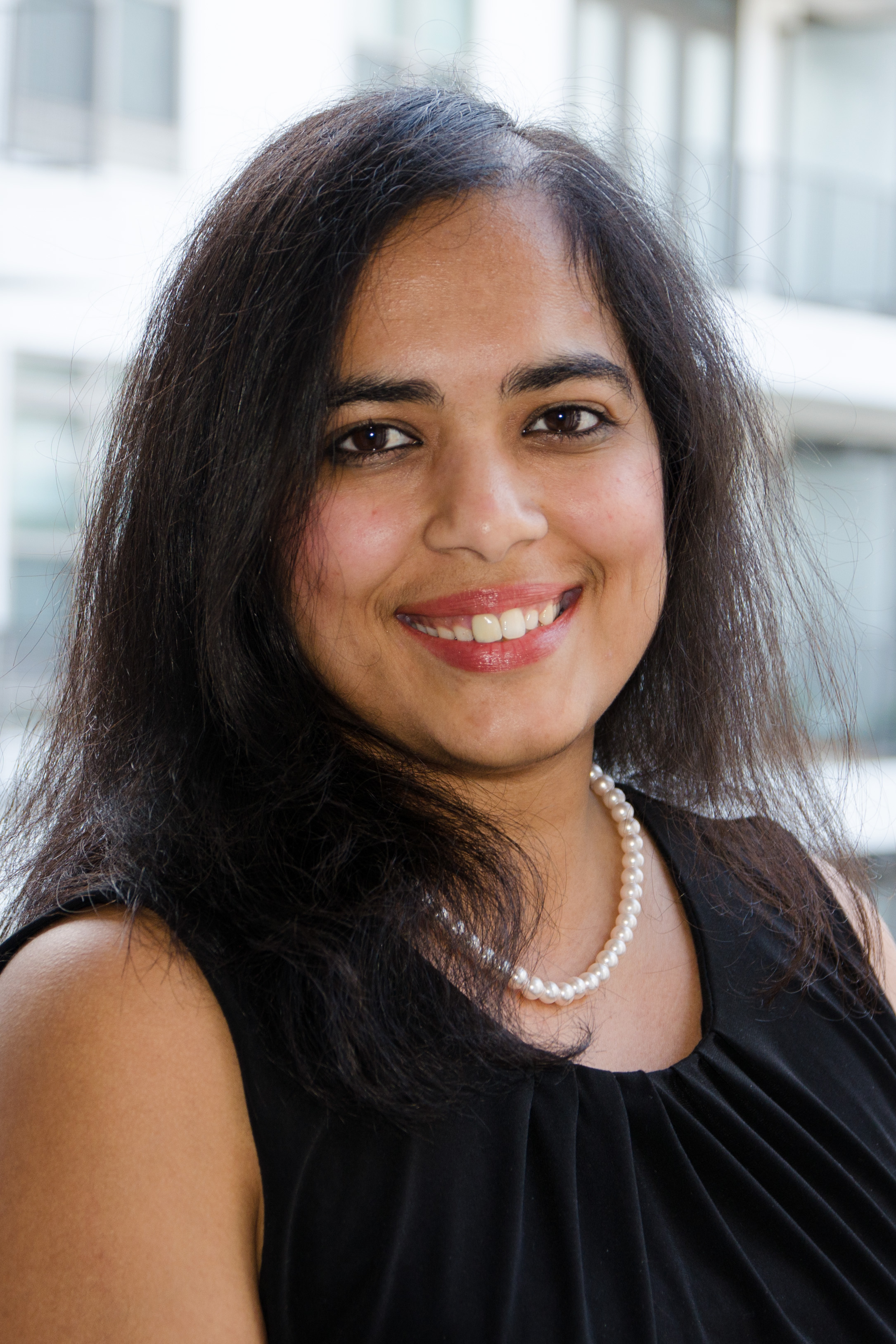
Assistant Professor
Department of Kinesiology
University of Texas at Arlington
My journey into cognitive motor neuroscience began with an early fascination with how differences in neural function shape human experiences.
By the time I started college, I had lived in 6 countries. Moving so often and learning about different cultures taught me flexibility, curiosity, and an appreciation for diverse perspectives. These values continue to shape how I approach research, collaboration, and mentorship.
I earned my B.A. in Biology and Computer Science from Bryn Mawr College, where I first became captivated by the complexity of the brain. That interest led me to pursue a Ph.D. in Neuroscience and Cognitive Science at the University of Maryland, College Park, under the mentorship of Dr. Jane Clark. There, I learned about Kinesiology, the science of human movement, and I became really curious about how the brain learn new movements. My dissertation used electroencephalography (EEG) to investigate how brain activity changes as we learn new motor skills, and how these neural patterns differ in older adults and individuals with Parkinson’s disease. These questions remain central to my work today.
Following my Ph.D., I completed a postdoctoral fellowship at the University of Texas at Dallas with Dr. Francesca Filbey, where I expanded my methodological toolkit to include functional MRI (fMRI) and studied how cannabis use affects the brain. I then joined Washington State University as an Assistant Professor of Kinesiology before coming to the University of Texas at Arlington, where I direct the Cognitive Motor Neuroscience Lab.
My journey across countries, disciplines, and institutions has shaped how I approach science: with curiosity, adaptability, and a belief that the best insights emerge when we bring diverse perspectives together.
Outside the lab, I enjoy cooking dishes from around the world, traveling, reading, playing tennis, and fostering rescue dogs. I believe that the best scientists are whole people with full lives, and I try to model that for my students.
My lab investigates how the brain controls and learns movement, and how this knowledge can be used to optimize human performance and support brain health across the lifespan.
Movement is fundamental to life. It enables us to walk, work, communicate, create, and compete. By understanding how the brain plans, executes, and adapts movement, we can better support people ranging from older adults and clinical populations to athletes striving for peak performance.
My research sits at the intersection of kinesiology and cognitive neuroscience. We use a combination of neuroimaging, behavioral assessments, and computational approaches to uncover how patterns of brain activity shape the way we move.
A core part of my work examines how changes in cognition and neural function , whether due to aging, movement disorders, substance use, or mental health, alter motor behavior. Understanding these interactions allows us to design more effective interventions, training programs, and rehabilitation strategies.
In sum, my research explores human performance at three interconnected levels:
Movement is as much a cognitive challenge as a physical one. Our work examines how critical processes, like attention and memory, intersect with the motor system to drive skill acquisition. By investigating the brain mechanisms of motor behavior, we identify ways to optimize performance and learning.
How do we maintain motor and cognitive function as we age? We study the intersection of cognitive health and motor control to understand how the brain adapts over time. Through behavioral data and brain imaging, we examine how neural activity changes with aging and identify strategies to maintain mobility and brain health.
Despite the rising prevalence of cannabis use, its effects on the motor system remain poorly understood. I examine how brain activity is altered by cannabis to understand how it impacts motor behavior. Through this research, we provide the empirical foundation necessary to evaluate the long-term implications for brain health, movement, and public safety.
A sample of recent journal articles, conference presentations, and preprints from my research program.
I am committed to evidence-based pedagogy and creating learning environments where students connect theory to real-world movement science.
An undergraduate course of the principles of motor learning and the neural systems governing voluntary movement.
A graduate seminar with an advanced exploration of theories of motor control.
A graduate seminar examining the neural correlates and symptoms of various movement disorders.
I believe students learn science best by doing science. In my courses, students engage with primary literature, experience the concepts we discuss, apply concepts to real-world examples, and communicate their findings.
I am equally committed to fostering an inclusive classroom where diverse perspectives are welcomed, intellectual risk-taking is encouraged, and every student has the support they need to thrive.
Guides, tools, and links to help you navigate graduate school, from applications to mental health to dissertation writing.
I am currently compiling guides, tools, and curated links across five areas: applying to grad school, fellowships & funding, mentorship, wellbeing, and writing & dissertation support. Check back soon!
I welcome inquiries from prospective graduate students, undergraduate researchers, postdoctoral fellows, and collaborators. If you're interested in joining the lab or learning more about my work, please reach out.